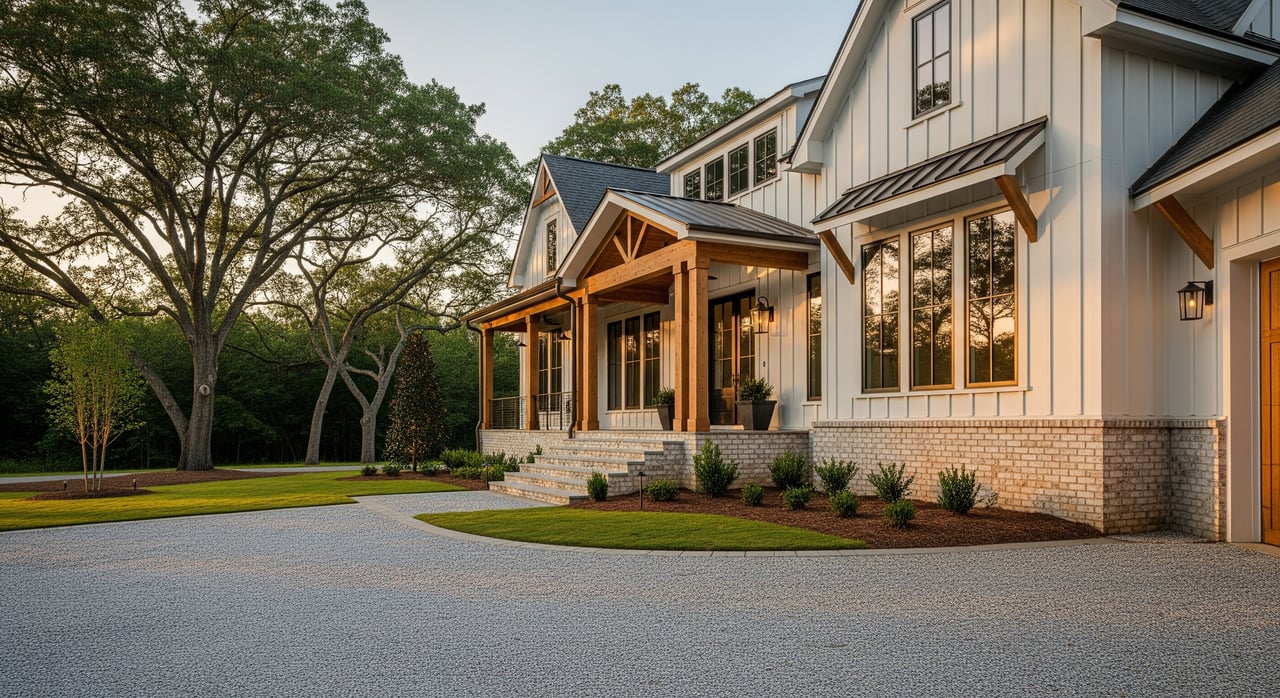
Thinking about buying in Indian Land and deciding between a brand-new home or a resale? You are not alone. With steady growth and neighborhood development across Lancaster County, both paths can make sense depending on your timeline, budget, and lifestyle. In this guide, you will learn how new construction compares with resale on price, timing, inspections, financing, warranties, and long-term value so you can choose with confidence. Let’s dive in.
New build vs resale at a glance
Both choices can be smart in Indian Land. New construction gives you modern layouts, energy-efficient systems, and that fresh-home feel. Resale homes offer established neighborhoods, mature landscaping, and quicker move-in timelines. The best fit depends on how you balance customization, budget predictability, and when you need keys in hand.
Price and net cost in Indian Land
New construction often starts at a higher price per square foot because you are paying for new systems and current design trends. That said, builders may offer incentives like closing-cost help, rate buydowns, or upgrade packages that lower your true out-of-pocket costs. Resale pricing can be more negotiable since comparable sales are well established.
To compare apples to apples:
- Add the base price, lot premiums, mandatory site work, and any must-have upgrades for a new home.
- Add the contract price plus expected renovation or repair costs for a resale.
- Weigh short-term incentives against longer-term expenses like property taxes and maintenance.
Timeline and closing process
Resale timing
Most resales close in about 30 to 60 days, depending on financing, inspections, appraisal, and title work. This can be ideal if you have a set move deadline or need to coordinate a home sale and purchase.
New construction timing
New-build timelines vary. A completed spec or inventory home can be ready in weeks. A to-be-built plan can take several months depending on lot readiness, permitting, and supply-chain factors. Builders may use their own contracts with specific inspection windows and deadlines, so review documents carefully and plan for flexibility.
Pro tip: If you need to move quickly, look at resale or finished spec homes. If you want to customize, budget extra time and consider temporary housing as a backup.
Inspections and punch lists
New construction inspections
Even a brand-new home benefits from independent inspections. Consider a pre-drywall inspection, a final inspection before closing, and specialty checks like pest or drainage if recommended. Document items in a punch list during your walkthroughs and follow the builder’s warranty process to ensure timely fixes.
Resale inspections
For resales, you will typically have an inspection period after your offer is accepted. Older homes can show deferred maintenance, but your inspection can help you negotiate repairs or credits or decide whether to proceed.
Bottom line: Hire a qualified home inspector in both scenarios. The inspection report is your roadmap to near-term fixes, maintenance planning, and negotiations.
Warranties and what to expect
Builders commonly provide layered warranty coverage. Many follow a structure that covers workmanship for the first year, certain systems for two years, and major structural components for a longer period. Coverage varies by builder, and some use third-party warranty providers.
What to do:
- Get the warranty in writing and read it closely.
- Learn how to file a claim and what the response timelines are.
- Keep records of your punch list, communications, and repairs.
- Ask whether coverage transfers if you later sell the home.
Resale homes may include a seller-paid home warranty, but terms differ widely. If you are buying resale, clarify coverage limits and service call costs.
Financing and builder incentives
Resale homes usually work well with conventional, FHA, VA, or USDA loans if the property qualifies and the appraisal supports value. New construction often brings extra financing choices. Some builders offer credits toward closing costs or mortgage rate buydowns, especially if you use a preferred lender. If you customize heavily, be mindful of appraisal gaps when upgrades outpace nearby comparable sales.
How to compare offers:
- Get pre-approved with an independent lender to benchmark rates and fees.
- Evaluate builder incentives against the net cost over time. A rate buydown may be more valuable than a small price reduction depending on your horizon.
- If considering a to-be-built home, understand whether a construction-to-permanent loan is required and how draws work.
Neighborhood maturity and resale value
Indian Land is a fast-growing suburb of the Charlotte metro, and that shapes your choice. Newer communities may offer planned amenities, fresh infrastructure, and consistent architectural styles. You might see ongoing construction and evolving HOA budgets as the community builds out. Established neighborhoods typically offer mature trees, completed amenities, known traffic patterns, and a strong base of comparable sales.
Focus on fundamentals that drive long-term value:
- Location within Lancaster County and commute access to Charlotte corridors.
- Lot quality, street position, and neighborhood design.
- School zones within the Lancaster County School District. Confirm boundaries rather than relying on assumptions.
- The stage of community build-out and any planned future phases that could change traffic or character.
HOA, covenants, and future assessments
In new communities, the developer usually controls the HOA early on. Budgets can shift as responsibilities expand and amenities come online. Dues may rise, and special assessments are possible if initial budgets are tight. Resale neighborhoods often have a track record of dues, reserves, and completed amenities.
Your due diligence checklist:
- Review CC&Rs, rules, budgets, reserve funding, and insurance coverage.
- Ask about the developer control period and anticipated assessments.
- Confirm what the HOA maintains versus what you maintain.
Taxes, insurance, and utilities
Property taxes for new construction may be reassessed after completion and occupancy. That timing can affect your first-year costs. Insurance on newer homes can be favorable because of modern systems and code compliance, though rates depend on location, coverage levels, and materials. Utilities vary by neighborhood, so confirm whether you have municipal water and sewer or private well and septic.
What to verify before you buy:
- Current assessed value and expected reassessment timelines.
- Insurance quotes for the specific address.
- Water, sewer, or septic details and any capacity considerations.
How to decide: lifestyle and priorities
Choose new construction if you want modern layouts, energy-efficient systems, and the ability to personalize finishes. Be ready for builder timelines and evolving amenities. Choose resale if you want a faster move, mature landscaping, and a known neighborhood feel. Plan for possible updates and maintenance in older systems.
Ask yourself:
- How soon do I need to move?
- Do I prefer a turnkey new home or an established setting?
- Am I comfortable managing a build timeline and punch list?
- Which matters more: customization now or potential value certainty with more comps?
Side-by-side comparison checklist
Use this list to compare individual homes. Create two columns and fill in details for each property.
- Total out-the-door price
- New: base price, lot premiums, mandatory options, upgrades, site work
- Resale: contract price, expected renovations and repair costs
- Estimated timeline to closing and move-in
- Inspection rights and schedule
- New: pre-drywall and final inspection windows
- Resale: standard inspection period and re-inspection if needed
- Warranty documents and transfer rules
- Financing options and incentives, plus independent pre-approval
- Property taxes: current assessment and reassessment timing
- HOA documents, dues, reserves, and developer control period
- Utilities: municipal or septic/well; any known restrictions
- Floodplain and environmental factors to check
- Neighborhood maturity: completed amenities and future phases
- Comparable sales to gauge value
- Insurance estimates for the specific address
- Builder reputation and references if buying new
- Long-term resale factors: location, school zones, commute access
Common pitfalls to avoid
- Comparing a new-build base price to a fully finished resale. Always compare finished costs.
- Skipping independent inspections on a new home. Fresh does not mean flawless.
- Over-customizing beyond local comps and risking appraisal gaps.
- Ignoring HOA budgets or developer control timelines that could affect dues.
- Underestimating property tax reassessment timing for new construction.
Next steps in Indian Land
If you are leaning new construction, start by touring both finished inventory and model homes, then review the builder’s contract, warranty, and HOA documents. If you are leaning resale, ask for recent comparable sales, plan your inspection strategy, and budget for near-term updates.
A local advisor can help you compare specific neighborhoods across Indian Land and nearby Fort Mill and Charlotte suburbs, coordinate inspections, and negotiate both builder incentives and resale repairs. When you are ready, reach out to schedule a discovery call, request a tailored comparison, or start touring homes.
Ready to explore Indian Land with a trusted, local team? Connect with Paige Boykin for buyer representation, neighborhood guidance, and a clear plan from offer to close. Let’s walk you home.
FAQs
What is the main difference between new builds and resale homes in Indian Land?
- New builds offer modern systems and customization with variable timelines, while resales provide faster closings, mature neighborhoods, and established comparable sales for pricing.
How should I compare the total cost of a new-build home in Indian Land?
- Add base price, lot premiums, mandatory options, upgrades, and site costs, then compare that finished total against a resale’s price plus estimated repairs or renovations.
Do I need an inspection on a brand-new home in Lancaster County?
- Yes. Independent pre-drywall and final inspections can catch workmanship or code items and help you document a punch list for warranty follow-up.
How long does new construction typically take in Indian Land?
- A completed spec home can close in weeks, while a to-be-built home often takes several months depending on permits, lot readiness, and materials or labor timing.
What should I know about builder warranties in South Carolina?
- Coverage varies by builder, but many use a structure for workmanship, systems, and structural items. Get terms in writing, understand claim steps, and confirm transfer rules.
Are builder lender incentives worth it in the Indian Land market?
- They can be. Compare the net benefit of rate buydowns or credits against independent lender quotes and consider your time horizon and monthly-payment goals.
How do HOAs differ in new versus established neighborhoods around Indian Land?
- New HOAs may be developer-controlled with evolving budgets and amenities. Established HOAs typically have a track record of dues, reserves, and completed amenities.