If you want your Fort Mill home to stand out and sell faster, start with how it looks and feels the moment buyers see it online. In a market shaped by Charlotte commuters and nearby new construction, buyers expect clean, move-in-ready spaces that feel modern and well cared for. You do not need a full remodel to compete. With a smart staging plan, a few targeted updates, and strong visuals, you can attract more showings and encourage stronger offers.
This guide gives you a clear, local plan: what to do first, where to spend, how long it takes, and how a full-service agent can coordinate the details for a smooth launch. Let’s dive in.
Why staging matters in Fort Mill
Fort Mill’s location near Charlotte brings buyers who value quick commutes, low-maintenance homes, and turnkey condition. Many are relocating professionals, local move-up buyers, and active adults who prefer streamlined living. Staging that highlights flexible spaces, outdoor living, and a home office option can align your home with these priorities.
You also compete with model-ready new construction. Presentation becomes the tie-breaker for existing homes. Clean lines, updated lighting, and neutral finishes help your home feel fresh and comparable.
Seasonality matters too. Spring and early summer typically bring heavier traffic, so plan your staging and photography to land when curb appeal and daylight are at their best.
How staging influences offers
- First impressions are online. Clear, well-composed photos of staged rooms increase clicks and showings.
- Staging creates an emotional connection. Buyers better understand room function, scale, and flow, which helps them picture daily life.
- Good presentation supports perceived value. Light cosmetic flaws feel less important, which can reduce price drops and days on market.
- Faster decisions happen when potential is obvious. Homes that feel dated or cluttered often sit while buyers hesitate.
Your prioritized staging plan
Focus on the changes that deliver the biggest visual impact first. You can always add more if needed.
High-priority, high-impact steps
- Declutter and depersonalize
- Remove personal photos and cut small decor by half. Clear counters and shelves help rooms read larger.
- Why it works: Immediate visual impact at minimal cost.
- Deep clean and remove odors
- Professionally clean carpets, kitchens, baths, and vents. Address pet or mildew smells.
- Why it works: Clean is a baseline expectation. Odors block showings.
- Fresh, neutral paint in key rooms
- Update bold or dated colors in main living areas, the kitchen, and the primary bedroom.
- Why it works: Paint is the most cost-effective way to modernize.
- Improve lighting and window treatments
- Replace burnt bulbs with warm LEDs. Remove heavy drapes and add lamps in dark corners.
- Why it works: Bright, airy photos and showings perform better.
- Curb appeal refresh
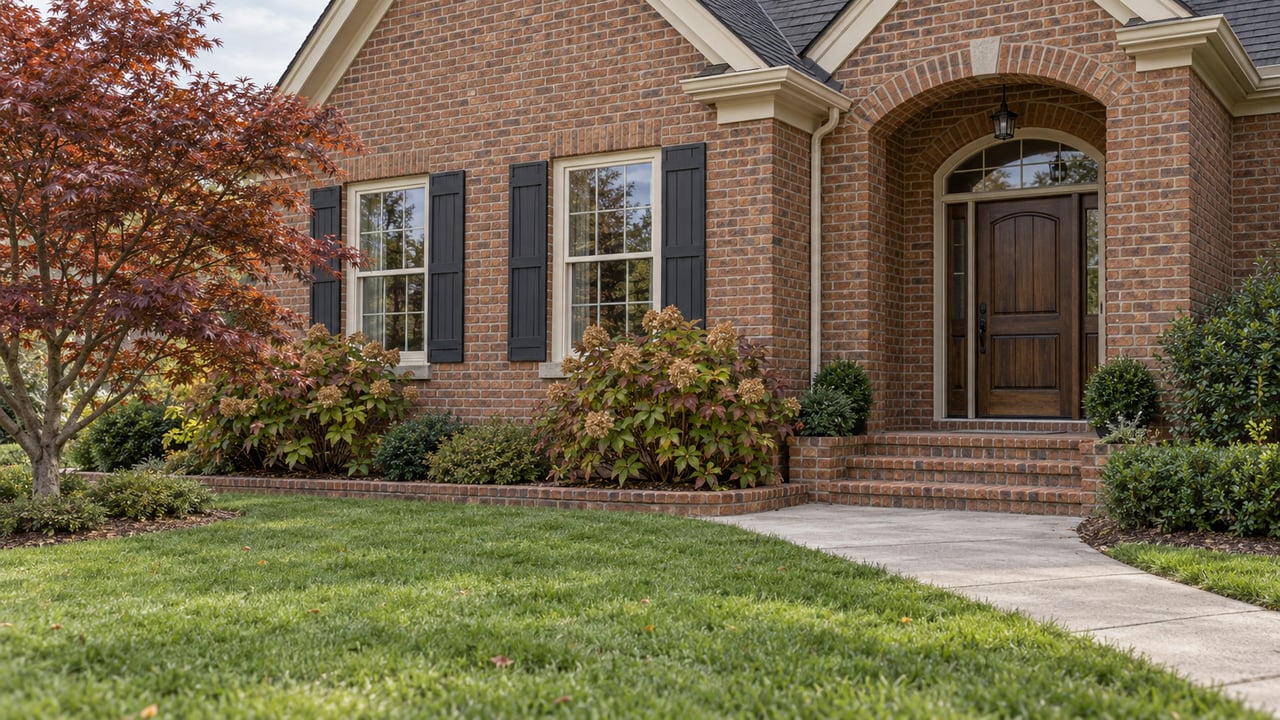
- Mow, edge, mulch, trim shrubs, and power wash. Make the front door and porch inviting.
- Why it works: Buyers form opinions before they step inside.
Medium-priority upgrades
- Minor kitchen and bath updates
- Swap dated hardware, faucets, and light fixtures. If budget allows, refresh cabinet paint or refinish counters.
- Why it works: Kitchens and baths heavily influence buyer decisions.
- Floor covering assessment
- Deep clean carpet, refinish hardwoods where needed, or replace very worn carpet in high-traffic areas.
- Why it works: Floor condition signals overall maintenance.
- Stage key rooms
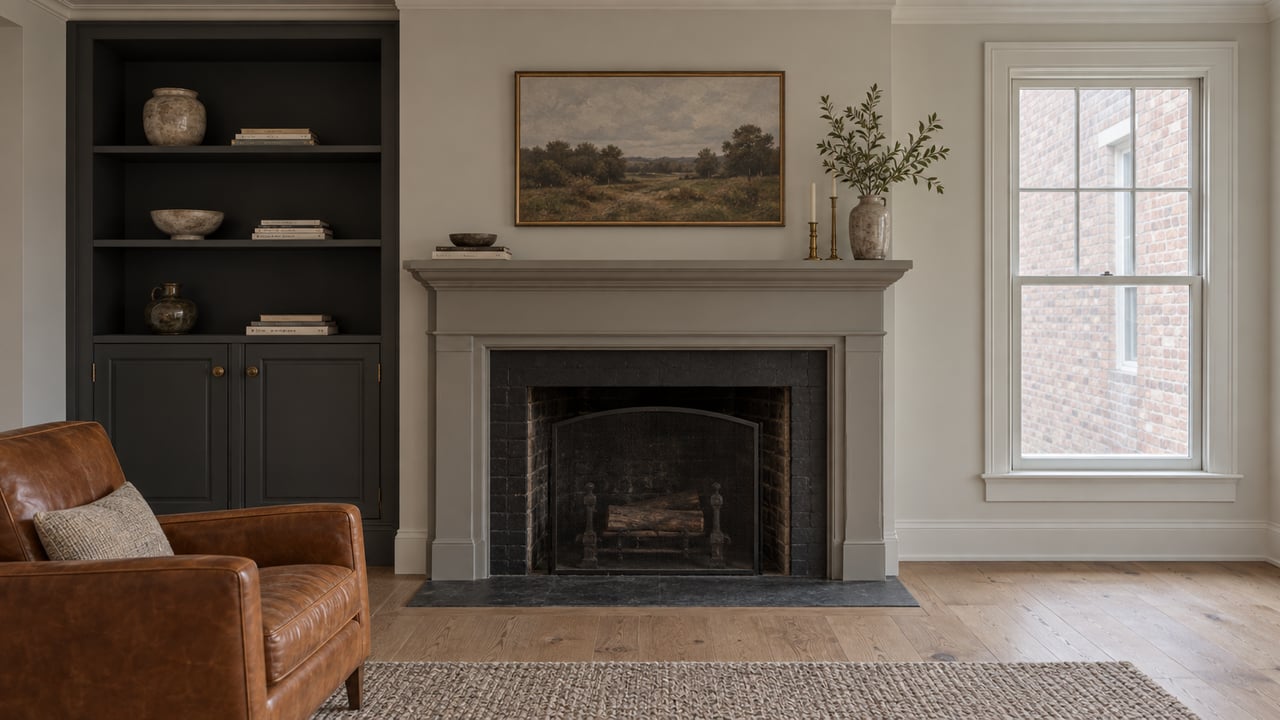
- Focus on the living room, kitchen and dining, primary bedroom, and a dedicated home office if possible.
- Why it works: Targeted staging delivers most of the benefit for less cost than staging every room.
Lower-priority, situational items
- Major system repairs
- Address items likely to appear on inspection, such as roof leaks or HVAC issues.
- Why it matters: Necessary for a smooth contract, even if not a “staging” spend.
- Larger renovations
- Full remodels are usually not necessary unless your price point and competition demand it. Often it is better to price for condition rather than over-invest.
If your home is vacant
Vacant rooms can feel smaller and colder in photos. Consider professional staging for key rooms or high-quality virtual staging for marketing images. When possible, pair virtual images with a few physically staged spaces so buyers can judge scale in person.
Budget and timeline guide
Costs vary by home size and scope, but these typical ranges can help you plan. Actual local pricing will depend on vendor quotes.
- Staging consult and plan: 200 to 600 dollars
- Partial staging for an occupied home: 300 to 1,500 dollars one-time or 75 to 400 dollars per week
- Full staging for a vacant home: 1,500 to 10,000-plus initial and monthly depending on size and segment
- Professional photography: 150 to 600 dollars depending on services
- 3D tour: 200 to 500 dollars per shoot
- Interior paint refresh for key rooms: 500 to 3,500 dollars
- Curb improvements: 200 to 2,000 dollars
A practical schedule for most Fort Mill sellers looks like this:
- 8 to 12 weeks out: Agent consultation, staging plan, vendor quotes, and a declutter roadmap
- 4 to 8 weeks out: Painting, minor repairs, lighting updates, landscaping, deep cleaning
- 1 to 2 weeks out: Install staging, complete professional photos and 3D tour, finalize listing materials
- Listing week: Verify show-ready condition, launch online, and prepare for showings
If your goal is to hit peak spring traffic, start the process in late winter so landscaping and light are at their best for photos.
Photos and digital tools that convert
Professional imagery is one of the most important drivers of listing performance. Plan your shoot only after staging is complete.
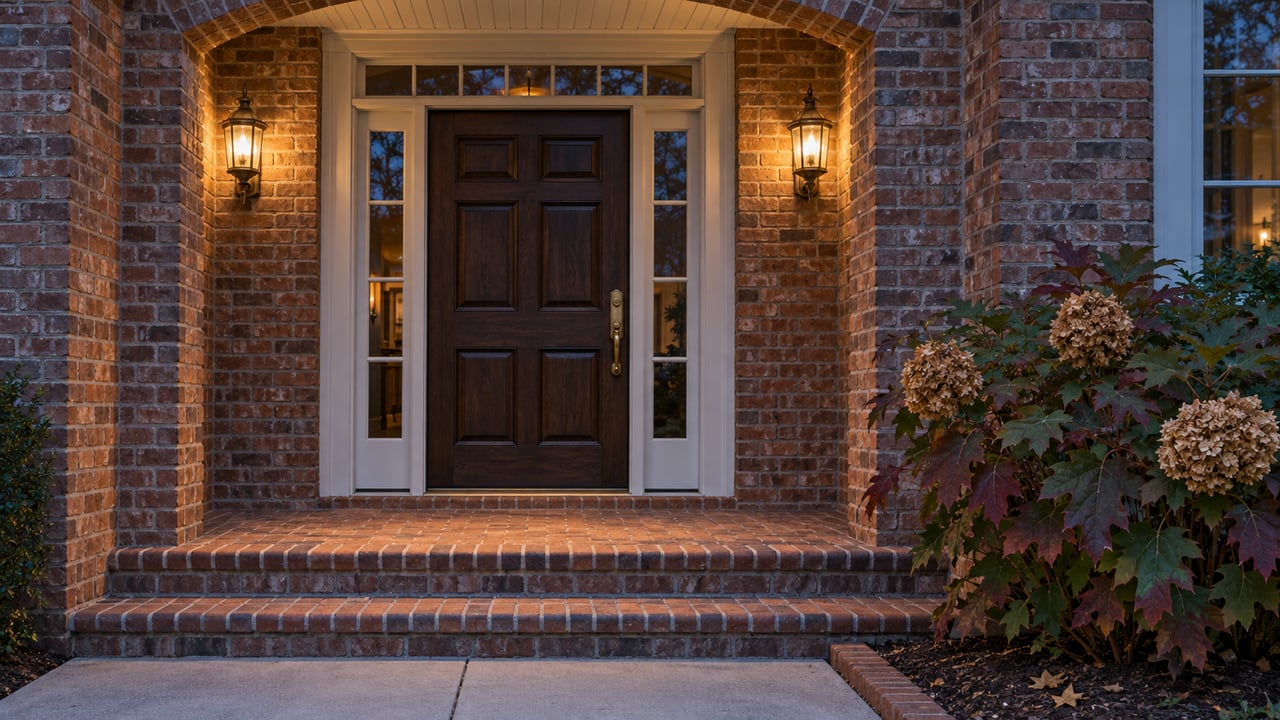
- Photography timing: Choose a sunny day. Capture yards, porches, and patios that matter to Fort Mill buyers. Twilight exteriors can add a polished look.
- Composition: Use high-resolution images, correct exposure, and angles that show room flow. Include lifestyle shots of outdoor living spaces.
- Drone photos: Useful for larger lots or standout exteriors. Confirm HOA and local rules.
- Virtual tools: 3D tours and video walkthroughs help relocators and out-of-town buyers. Floor plans with approximate dimensions help with furniture planning. If you use virtual staging, disclose it clearly and pair it with accurate, unstaged photos.
Styling cues that resonate locally
- Flexible spaces: Show a quiet work-from-home setup or a multi-use den that can serve guests.
- Organized living: Clear pathways and visible storage help buyers read the home as easy to maintain.
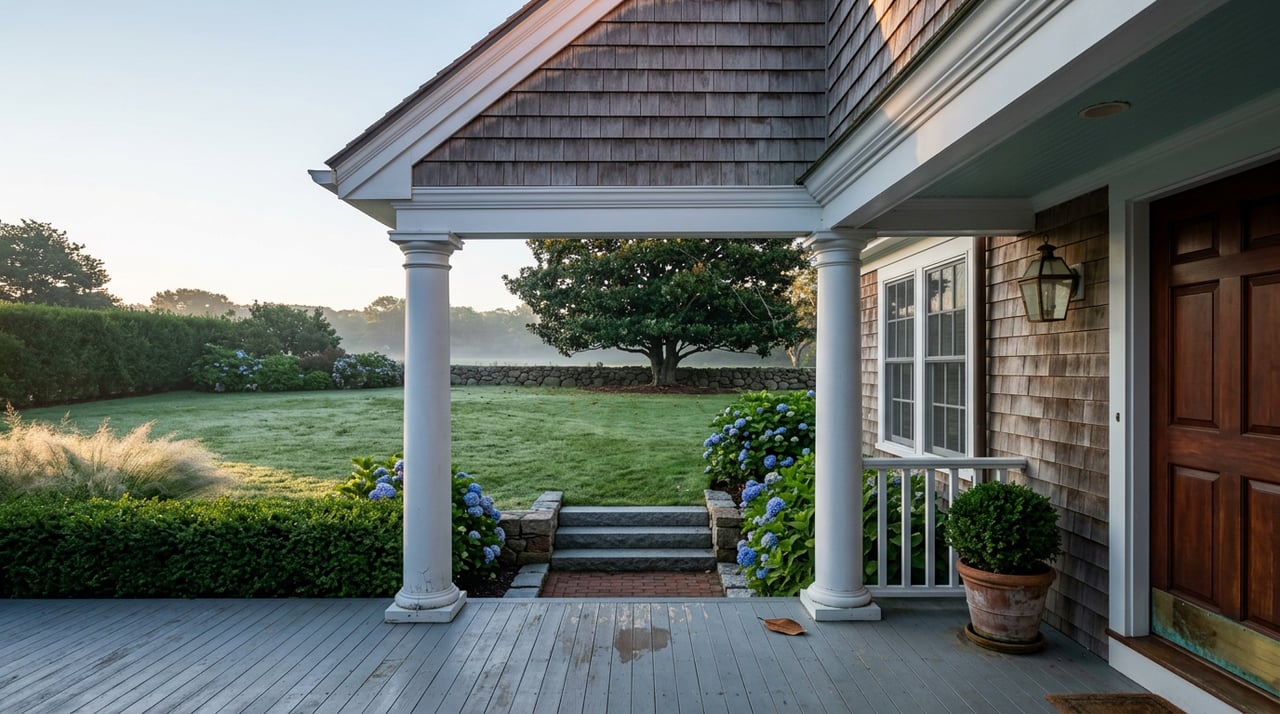
- Outdoor living: Set simple seating on porches or patios and highlight lawn space.
- Clean, neutral finishes: Updated fixtures and simple hardware create a modern, move-in-ready look.
- Storage and garages: Tidy closets and a well-organized garage demonstrate practical capacity.
Common pitfalls and local checks
- Avoid over-staging. Keep decor tasteful and minimal so the home, not the styling, becomes the focus.
- Confirm HOA rules. Some Fort Mill communities limit exterior changes or signage. Verify before painting doors or installing yard signs.
- Compete smartly with new builds. Emphasize your lot, mature landscaping, and overall value position against model-home polish.
- Verify current market data. Days on market and inventory shift quickly. Your agent should pull fresh comps before pricing.
How your agent coordinates the process
A full-service agent manages the moving parts so your home launches on time and on point. Here is a typical 6 to 12 week workflow you can expect.
6 to 12 weeks before listing
- Walk-through and plan: Identify top cosmetic wins and a staging scope. Discuss pricing scenarios and a net sheet so you can weigh options.
- Vendor quotes: Source and schedule painters, cleaners, landscapers, stagers, photographers, and a 3D tour provider.
- Declutter plan: Provide a checklist and options for donation or temporary storage.
3 to 6 weeks before listing
- Execute updates: Complete paint, minor repairs, landscape refresh, and deep cleaning.
- Staging: Install staging for key rooms or arrange delivery for vacant homes.
- Optional pre-inspection: Identify issues that could slow the contract and address them early.
1 to 2 weeks before listing
- Photos and 3D tour: Capture images after staging, ideally with favorable light.
- Final walk-through: Confirm details, adjust placements, and fine-tune accessories.
- Listing materials: Prepare floor plans, measurements, feature lists, HOA notes, and neighborhood highlights.
Launch and after
- Marketing: Coordinate online syndication, social posts, open houses, and broker previews.
- Monitor and adjust: Review feedback and make quick tweaks if needed, from re-staging a room to updating photography.
Examples of helpful documents your agent may provide include a room-by-room staging checklist, a photo shot list, and a week-by-week pre-listing timeline. These tools make it easier to stay on track.
Quick checklist for Fort Mill sellers
- 8 to 12 weeks out: Agent consult, quotes, declutter plan
- 4 to 8 weeks out: Paint, lighting, landscaping, deep clean, minor fixes
- 1 to 2 weeks out: Install staging, pro photography, drone or 3D tour, finalize listing details
- Listing day: Confirm show-ready condition and launch
- While listed: Keep surfaces clear, replace bulbs, rotate fresh linens, and respond to feedback quickly
A thoughtful, right-sized staging plan helps your Fort Mill home meet buyer expectations without over-spending. It sharpens your photos, clarifies how rooms live, and positions you well against new construction and other listings. If you start early and focus on the steps above, you can reduce time on market and move forward with confidence.
Ready to map out your plan? Connect with Paige Boykin for a tailored staging checklist, vendor coordination, and a launch timeline that fits your goals.
FAQs
What staging steps give Fort Mill sellers the fastest boost?
- Start with decluttering, deep cleaning, neutral paint in key rooms, lighting updates, and a curb appeal refresh, then stage the living room, kitchen, primary bedroom, and an office.
How much should I budget for staging and photos in Fort Mill?
- Many sellers spend a few hundred to a few thousand dollars depending on scope, with typical ranges of 200 to 600 dollars for a consult, 300 to 1,500 dollars for partial staging, and 150 to 600 dollars for professional photos.
When should I start prepping if I want to list in spring?
- Begin 8 to 12 weeks ahead to complete updates and capture photos when landscaping and light support your best first impression.
Do vacant homes in Fort Mill need full staging?
- Not always, but staging key rooms in a vacant home or using high-quality virtual staging for photos can prevent spaces from feeling small or cold and improves buyer engagement.
Are 3D tours and floor plans worth it for relocators?
- Yes, 3D tours, video walkthroughs, and simple floor plans help out-of-town buyers visualize scale and flow, which can increase online engagement and showing requests.
What if I have to choose between a big renovation and pricing right?
- In many cases it is better to price for current condition and focus on high-impact cosmetic updates rather than undertake a large renovation that may not fully return before sale.