Thinking about selling your first home in Rock Hill? You are not alone, and it is normal to feel unsure about where to start. The process has a lot of moving parts in South Carolina, from required disclosures to attorney-led closings, and timing your sale with your next move. This guide breaks down what to expect in Rock Hill, how to prepare, what it costs, and how a local listing team helps you maximize your results. Let’s dive in.
Rock Hill market at a glance
Rock Hill sits inside the Charlotte growth corridor, so seasonality still matters. Spring and early summer often bring more buyer activity, but interest rates and local inventory can shift demand throughout the year. Instead of trying to time a perfect weekend, focus on aligning your listing with your move-out and financing plans.
Neighborhoods vary in price band and pace. Newer subdivisions with amenities can show different days-on-market than more affordable areas. Your agent should pull subdivision-level comps and recent nearby sales so your pricing strategy fits your micro-market.
Start with a plan
Set goals and timing
Decide where you are going next, how soon you need to move, and what you want to net after paying off your mortgage. Share your priorities with your agent so you can plan the prep, pricing, and showing schedule. If you are also buying, discuss rent-backs or flexible closing dates to keep your move smooth.
Build a pricing game plan
Ask your agent for a Comparative Market Analysis that shows recent sales, active competition, and pending listings near your home. Talk about a pricing band, not just one number, and how list price can position you to draw the right buyers. A smart launch price, strong photos, and early showing momentum work together.
Set your prep budget
Most first-time sellers spend modestly on cleaning, paint, landscaping, and minor repairs. Discuss whether selective updates make sense for your price band, or if a simpler refresh with staging and great photography will deliver a better return. Keep a reserve for inspection-related items that may surface later.
Prepare your home
Major systems and moisture
Handle safety and big-ticket items first. Confirm your roof is sound, HVAC is serviced, plumbing has no active leaks, and your electrical panel is in good order. Address water and moisture issues in crawlspaces and around the foundation, since buyers and inspectors pay close attention to them.
Termites and local pests
Termites are a known risk in South Carolina, and Formosan and other subterranean species have been found in parts of York County. If you have any history of treatment or signs of activity, consider a pre-listing pest inspection and keep your records handy. You can read more about local termite distribution from Clemson Extension’s guidance on Formosan termites in South Carolina.
Simple updates that show
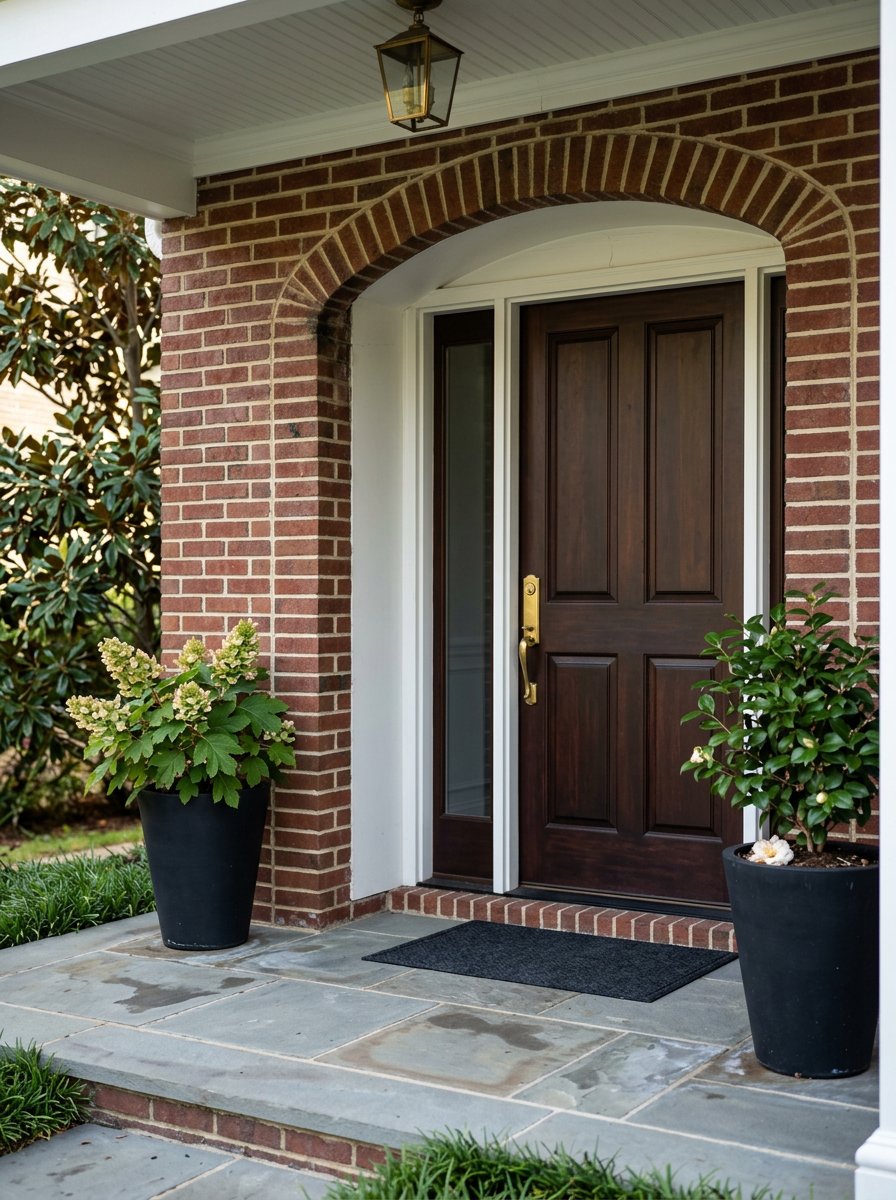
Focus on high-ROI basics: deep cleaning, decluttering, fresh neutral paint, updated lighting, and curb appeal. Professional photography is non-negotiable in today’s market. Modest staging, even if it is just accessories and layout help, can shorten days on market and lift perceived value.
Disclosures in South Carolina
South Carolina uses the Residential Property Condition Disclosure Statement, often called the RPCDS or SCR230. You are expected to complete it in good faith and deliver it before a purchase contract is signed unless both parties agree in writing to waive it. The form asks about systems, water and flood history, structural changes, environmental matters, and HOA details.
Gather documents early. Keep receipts for repairs, permits, HOA statements, previous inspection or termite reports, utility averages, and any warranties. Learn more about the form and timing from South Carolina REALTORS guidance on the RPCDS (SCR230).
Closing in South Carolina
Attorney-led closings
South Carolina is an attorney state. A licensed attorney typically conducts or supervises your closing, clears title, and coordinates recording. Expect to sign at an attorney’s office or under attorney supervision. See a quick reference on state practices at this attorney vs. title state explainer.
Contract-to-close timing
Most financed deals close in about 30 to 45 days, but timing depends on the buyer’s loan, appraisal, repairs, and title work. Cash buyers can close faster, while government-backed loans may introduce extra steps. Review target dates in your contract and keep your agent and attorney aligned. A helpful overview of timelines appears in this South Carolina closing guide.
Utilities and move-out
Plan utility transfers or disconnections with the City of Rock Hill before closing. Final bills and service dates are often prorated through the closing date. You can find instructions at City of Rock Hill Customer Service.
What it costs to sell
You will see a handful of common seller-side costs in Rock Hill. Your exact net depends on sale price, your mortgage payoff, and negotiated terms.
- South Carolina deed-recording fee. The state collects a deed fee at recording calculated at $1.85 per $500 of value, which is about 0.37 percent of the sale price. This is commonly a seller cost. See the statutory origin at the South Carolina Legislature’s deed fee page.
- Brokerage compensation. Listing compensation is negotiated in your listing agreement. After industry changes in 2024, sellers are not required by law to pay a buyer’s agent, though many still offer buyer-agent compensation to make their listing competitive. Learn more about options in this overview of buyer-agent compensation.
- Closing attorney and title related items. Sellers typically pay their attorney fee and any fees to clear title and record documents. Buyers often purchase an owner’s title policy, but your side may cover HOA payoff statements or other clearances.
- Taxes and utility prorations. Property taxes and utilities are prorated through the date of closing. Schedule final readings in advance.
- Repairs or credits. You may agree to complete repairs or offer a credit during inspection negotiations. Your agent helps you decide what is worth doing.
Note that loan programs can limit how much a seller can contribute to a buyer’s costs. Coordinate any concessions with your agent and the buyer’s lender to stay within program rules.
Taxes and your proceeds
Many first-time sellers qualify for the federal primary residence exclusion. If you meet the ownership and use tests, you may be able to exclude up to $250,000 of gain as a single filer, or up to $500,000 if you are a qualifying married couple filing jointly. See details and worksheets in IRS Publication 523 on Selling Your Home.
South Carolina treats capital gains as state taxable income, but there is a deduction. Individuals, estates, and trusts may deduct 44 percent of net capital gain under state law. Review the statute text for context at South Carolina Code §12-6-1150.
If you are a nonresident seller, talk with your closing attorney about any state withholding. If you used part of the home for business or as a rental, ask a tax professional about depreciation recapture and partial exclusions. A quick planning session before you list can prevent surprises later.
Offers and negotiation
Common contingencies
Typical offers include financing and appraisal contingencies, plus inspection periods for home and specialized inspections. HOA review can apply if your community has covenants. Your agent will help you compare timelines, earnest money, and risk to choose the best path.
Inspections and repairs
After inspections, buyers may request repairs or a credit. You can agree to fix key items, offer a price concession, or hold firm if the market supports it. Decide in advance which items you are willing to handle to keep the deal moving.
Appraisals and gaps
If an appraisal comes in low, you have options. You can renegotiate the price, ask the buyer to bring more cash, or choose a different offer if you have backup interest. A thoughtful pricing strategy that is supported by recent sales reduces the chance of appraisal friction.
Six-week launch plan
- 6 to 8 weeks out. Clarify your goals, timing, and next-home plan. Gather receipts, permits, HOA docs, warranties, and prior reports. Start your South Carolina RPCDS disclosure and review questions you cannot answer yet. See the RPCDS overview.
- 4 weeks out. Complete high-impact repairs, service HVAC, touch up paint, and address moisture concerns. If you have termite history or signs, consider a pest inspection and collect treatment records.
- 2 to 3 weeks out. Declutter and deep clean. Schedule professional photos and modest staging. Coordinate utility transfers with City of Rock Hill Customer Service.
- 1 week out. Final yard work, light styling, and a pre-launch checklist with your agent. Review comps and confirm a pricing and showing strategy.
- Launch week. Activate the listing, monitor early feedback, and adjust quickly if needed.
Why list with Boykin Property Group
Selling your first home is easier with a team that blends boutique service with national-scale marketing. Boykin Property Group is locally rooted in York County with coverage into Charlotte-area suburbs. The team offers full-service listing representation, CMA-driven pricing, premium photography and staging-forward presentation, and skilled negotiation.
You get neighborhood-level advice from a team with 678-plus families served and more than $307 million in volume, supported by eXp Realty’s platform. From pre-list prep to closing with your attorney, you have responsive, relationship-first guidance every step of the way.
Ready to talk strategy for your Rock Hill sale? Reach out to Paige Boykin for a local pricing review, a tailored prep plan, and a clear path to your next home.
FAQs
What should a first-time Rock Hill seller do first?
- Clarify your move-out plan and timeline, request a CMA from your agent, and start your South Carolina RPCDS disclosure so you can gather documents early.
How long does a South Carolina home sale take to close?
- Many financed deals close in about 30 to 45 days, while cash buyers can close faster depending on title work and inspections. See a state overview of timelines in this South Carolina closing guide.
Do I have to pay a buyer’s agent in Rock Hill?
- There is no law that requires you to pay the buyer’s agent. Compensation is negotiated and many sellers still offer it to stay competitive. Learn the options in this buyer-agent compensation overview.
What is the South Carolina deed-recording fee for sellers?
- South Carolina collects $1.85 per $500 of value at recording, roughly 0.37 percent of the sale price, and it is commonly a seller-side cost. See the statute’s origin at the South Carolina Legislature’s deed fee page.
What are my tax considerations when selling my Rock Hill home?
- Many owners qualify for the federal exclusion on gains if they meet the ownership and use tests, and South Carolina allows a 44 percent deduction on net capital gains. Review IRS Publication 523 and SC Code §12-6-1150 and consult a tax professional.
What disclosures must South Carolina sellers provide?
- Sellers typically deliver the Residential Property Condition Disclosure Statement before signing a contract unless both parties agree in writing to waive it. Learn more from SC REALTORS guidance on the RPCDS.