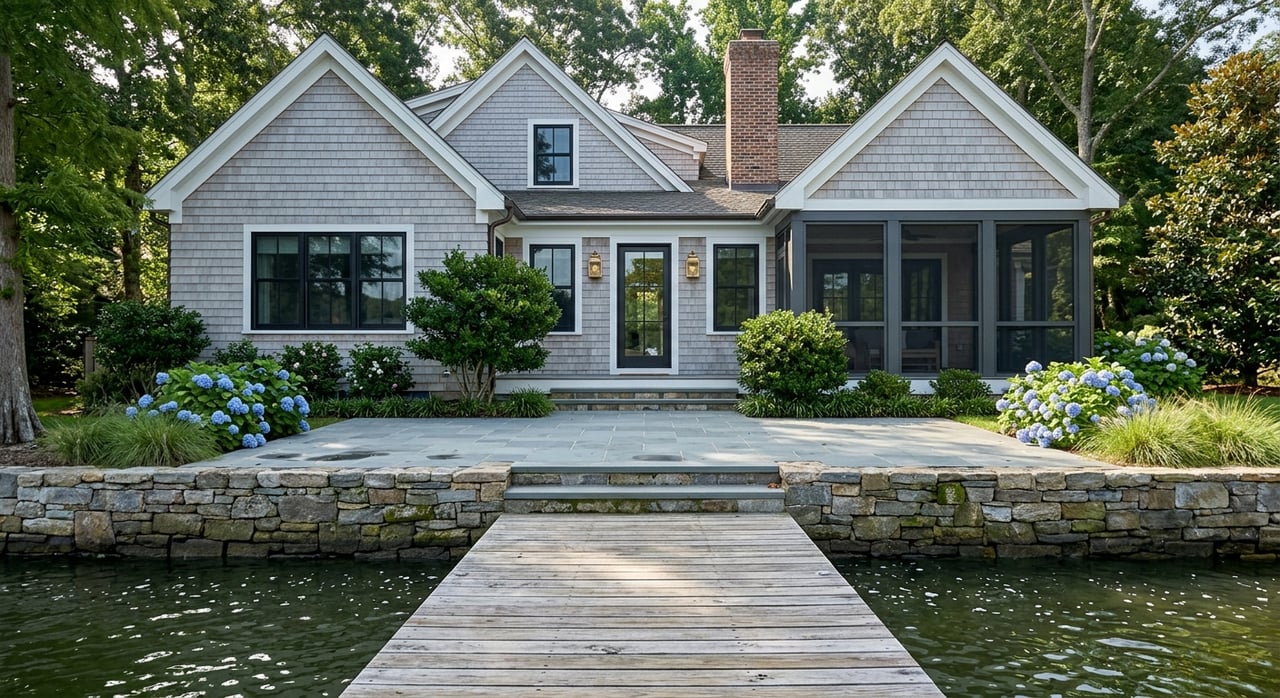
Wondering if buying on Lake Wylie means you are simply choosing a house with a pretty view? In reality, lakefront shopping here is much more specific than buying in a typical neighborhood. If you are hoping for the right mix of water access, daily convenience, and fewer surprises after contract, this guide will help you know what to check before you buy. Let’s dive in.
Lake Wylie Works Differently
Lake Wylie is not just a neighborhood feature. It is a bi-state reservoir on the South Carolina and North Carolina border, with the Lake Wylie community located in York County between Rock Hill and Charlotte.
That matters because the lake is regulated more closely than many buyers expect. Duke Energy manages the reservoir, and the lake also serves as a water-supply and cooling-water source, which affects water levels and shoreline use.
Lake size also shapes the buying experience. South Carolina describes Lake Wylie as roughly 13,443 acres with about 325 miles of shoreline overall, so two waterfront homes can offer very different experiences depending on the exact lot, cove, and exposure.
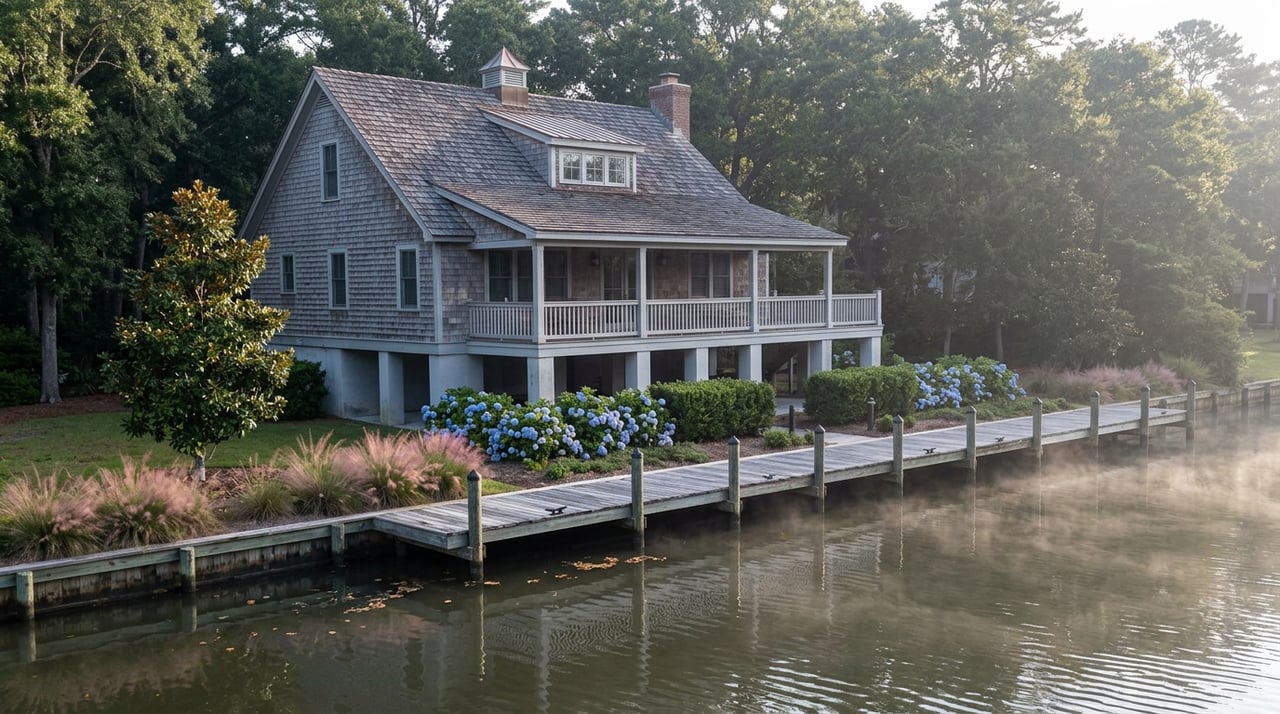
Waterfront Lots Are Not All Equal
One of the biggest mistakes buyers make is comparing homes by square footage and finishes alone. On Lake Wylie, the lot often matters just as much as the house.
The reservoir is relatively shallow on average, and shoreline exposure can vary quite a bit. The Lake Wylie Marine Commission says the target lake level is 97 feet, with a minimum of 93 feet, and Duke Energy notes that water levels can vary by location across the system.
For you, that can affect how usable a dock feels, how much shoreline is exposed, and how a cove looks during different conditions. A home on a protected cove may live very differently from a home on a more open stretch of water.
Do Not Assume a Dock Is Approved
If private water access is part of your goal, make dock research a top priority. A home being on the water does not automatically mean a dock, lift, seawall, or shoreline work is approved.
On Lake Wylie, shoreline activities such as dock construction, dredging, seawalls, and aquatic weed issues are directed through Duke Energy Lake Services. That means buyers should confirm what already exists, what was approved, and what may or may not be allowed in the future.
Ask for paperwork early. Existing permits, as-built drawings, and shoreline approvals can make a big difference during due diligence and can help you avoid last-minute surprises.
Boating Rules Affect Daily Lake Life
A shoreline can look peaceful in photos but feel very different once you understand boat traffic and no-wake rules. If you plan to swim, paddle, fish, or tie up a boat, these details matter.
The Marine Commission notes that no-wake zones are approved by state agencies, and the rules are not identical on both sides of the lake. In South Carolina, boaters must stay no-wake within signed zones or within 50 feet of a moored or anchored boat, wharf, pier, dock, or person in the water.
On the North Carolina side, the no-wake buffer is 50 yards around public ramps, docks, piers, and service areas, and 50 feet around private docks and piers. Since Lake Wylie spans two states, the exact location of the home can affect how the water feels day to day.
Water Quality Can Be Cove Specific
Many buyers ask if Lake Wylie has good water quality, but that question is often too broad. Conditions can be very specific to the exact area of the lake you are considering.
South Carolina has issued a recreational water advisory for a small cove on Lake Wylie before, which shows why it is smart to ask about the exact stretch of shoreline, not just the lake as a whole. If swimming, paddleboarding, or shoreline entertaining matters to you, this should be part of your research.
It is also worth asking about nuisance or invasive aquatic plants in the area. Duke Energy notes that invasive plants can spread on boats and trailers, so a clean-looking cove today should still be reviewed with recent local conditions in mind.
Public Access Still Supports Lake Living
You do not need a private dock to enjoy the lake lifestyle. For some buyers, a nearby neighborhood or inland home with convenient public access may be the better fit.
According to the South Carolina Department of Natural Resources, Duke Energy, SCDNR, and York County maintain five public boat access areas in South Carolina. Bank fishing access is also available at Ebenezer County Park.
York County destinations add more options for enjoying the water. Rock Hill Lake Park, for example, includes fishing stations, a kayak and canoe launch, and a beach and swim area on a quiet cove.
HOA Rules and Local Oversight Matter
Lake Wylie is unincorporated, which means property rules can come from more than one place. Depending on the parcel, you may need to consider county rules, municipal oversight if the property falls within a nearby city, neighborhood HOA requirements, and Duke Energy shoreline rules.
That is why parcel-level research matters so much here. Two homes that seem similar online may have very different rules about boat storage, shoreline changes, parking, rentals, or access.
If you are comparing several options, ask for the governing documents and a clear summary of what each layer of oversight covers. It is much easier to sort that out before you fall in love with a property.
Tega Cay Shows the Range of Options
When buyers search around Lake Wylie, they are often choosing between different styles of living, not just different price points. Nearby Tega Cay is a good example of that variety.
York County describes Tega Cay as a planned community with 13 miles of waterfront and amenities such as a golf course, marina, trails, and a beach club. Its housing profile remains predominantly single-family, with townhomes, apartments, and condos making up smaller shares.
That makes it a useful comparison point for buyers deciding between a true waterfront home, a lake-view property, or a more traditional neighborhood home with community amenities. Your best option depends on how you actually want to live, not just how close you want to be to the water.
Commute Should Be Part of the Decision
Lake homes can feel like a getaway, but your daily drive still matters. Many buyers in this area are balancing lake lifestyle goals with work, school, or family routines tied to Charlotte, Fort Mill, Rock Hill, or nearby communities.
Tega Cay's profile also reflects how buyers often cross-shop the area based on commuting patterns and school assignments. Even if a home checks every waterfront box, it may not be the right fit if the actual peak-time drive does not work for your routine.
Before you make an offer, test the commute at realistic times of day. The drive that looks manageable on a map can feel very different in practice.
A Simple Framework for Comparing Homes
If you want to compare Lake Wylie properties with more confidence, focus on five core categories. This keeps you from getting distracted by surface-level features alone.
Consider these questions as you narrow your options:
- Water access: Does the property have the type of access you want, such as a private dock, community access, or nearby public launch?
- Shoreline exposure: Is the lot in a protected cove or on a more exposed stretch where wake and erosion may be more noticeable?
- Governing rules: What do the HOA, county, municipality, and Duke Energy rules allow or restrict?
- Commute fit: How long is the drive to Charlotte, Fort Mill, Rock Hill, or other places you visit often?
- Carrying costs: What should you expect for insurance, HOA dues, shoreline upkeep, dock maintenance, or other lake-related expenses?
This framework helps you compare the full ownership experience, not just the listing photos.
Questions To Ask Before You Buy
The right questions early on can save you time and stress later. Lake Wylie rewards buyers who dig into details before inspection and closing.
Ask your agent:
- Does the property include a documented Duke Energy-approved dock or shoreline permit?
- Has prior shoreline or dock work been properly approved?
- Is the lot in a protected cove or a more exposed area?
- What does the HOA cover, and are there rules on boat storage, lifts, rentals, parking, or beach access?
- What is the realistic commute during peak traffic?
Ask the seller:
- Are there recent algae advisories, dredging issues, or invasive-plant concerns in this cove?
- Are as-built drawings, dock permits, or shoreline approvals available for review?
Ask your lender and insurer:
- Is the property in a FEMA flood zone?
- Will flood insurance be required for the loan?
- How will homeowner's insurance and any flood policy affect your monthly payment and closing costs?
- Are there any lake-specific insurance issues, assessments, or maintenance costs tied to the shoreline?
Buying Smart on Lake Wylie
Buying on Lake Wylie can be an incredible lifestyle move, but the best purchase is usually the one that fits how you plan to use the property every day. Water access, shoreline rules, cove conditions, HOA structure, and commute patterns all deserve the same attention as the house itself.
When you compare lots carefully and ask the right questions early, you are far more likely to end up with a home that feels just as right after closing as it did during the showing. If you want help sorting through waterfront options, community differences, and the practical details that come with buying near the lake, Paige Boykin is ready to help. Let’s walk you home.
FAQs
What should you check before buying a waterfront home on Lake Wylie?
- Confirm water access, dock or shoreline approvals, lot exposure, HOA rules, commute fit, and likely carrying costs before making an offer.
Are private docks automatically allowed for homes on Lake Wylie?
- No. Buyers should verify whether a dock, lift, seawall, or other shoreline work has been approved through the proper process.
Why do lake levels matter when buying on Lake Wylie?
- Lake levels can affect dock usability, shoreline exposure, erosion risk, and how a cove looks and functions throughout the year.
Can water quality vary by area on Lake Wylie?
- Yes. Conditions can be cove specific, so buyers should ask about recent advisories and plant-management concerns in the exact area they are considering.
Do you need a private dock to enjoy living near Lake Wylie?
- No. Some buyers prefer homes with nearby public lake access, parks, fishing areas, or launch points instead of maintaining a private dock.
Why is parcel-level research important for Lake Wylie homes?
- Rules may come from the county, a municipality, an HOA, and Duke Energy shoreline requirements, so similar homes can have very different limitations or permissions.