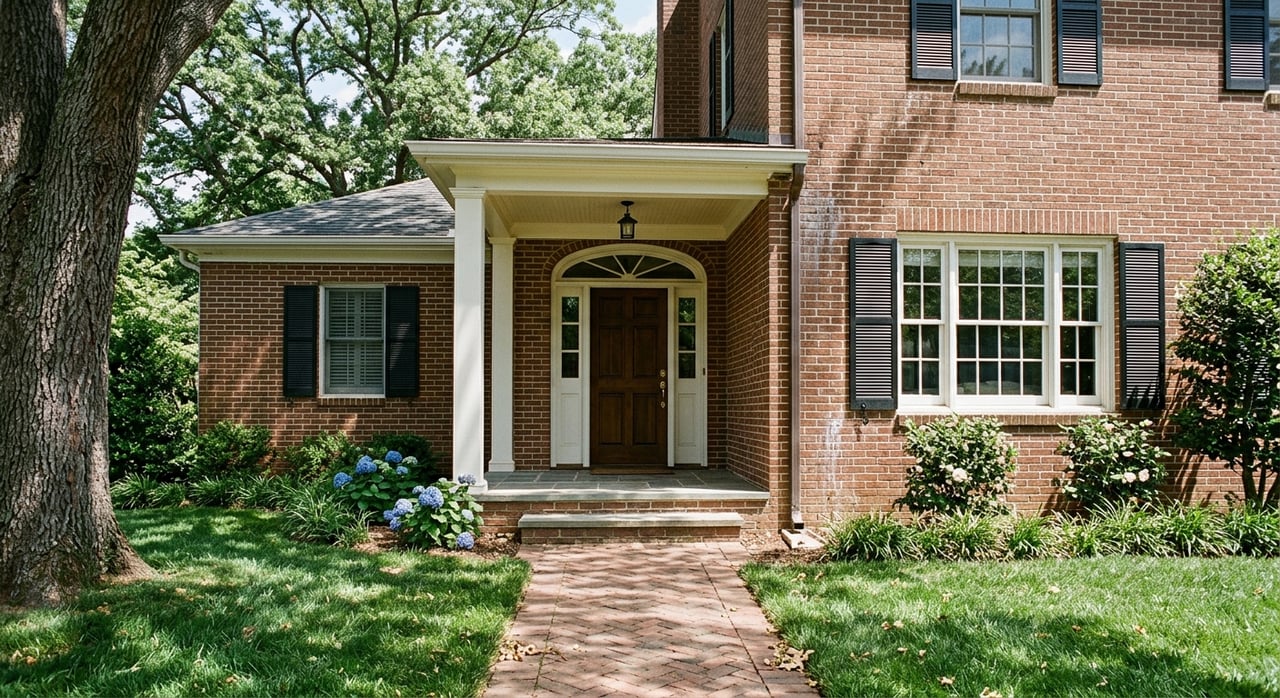
Looking for a Rock Hill neighborhood with character, a convenient location, and a sense of history? Established neighborhoods can offer all three, but they also come with details you need to understand before you buy. If you are comparing older homes to newer construction in Rock Hill, this guide will help you weigh architecture, upkeep, location, and historic-district rules so you can move forward with confidence. Let’s dive in.
Why established neighborhoods stand out
Rock Hill blends historic charm with steady growth, which makes its older neighborhoods especially appealing to buyers who want more than a standard floor plan. As the largest city in York County, with a population of nearly 75,000, Rock Hill also offers easy access to Charlotte along I-77 while keeping its own distinct identity.
For you as a buyer, that means established neighborhoods are not just about age. They are about location, character, and context. In many cases, you are choosing between the simplicity of newer construction and the personality of a home with architectural details and a more established setting.
Where older homes are most visible
Several parts of Rock Hill help define what buyers mean when they talk about established neighborhoods. These areas often sit closer to the city’s older core, where you will find a mix of historic districts, mature streetscapes, and homes built across different eras.
Marion Street Area
The Marion Street Area Historic District is one of Rock Hill’s clearest examples of older residential character. According to South Carolina’s historic survey, the district is known for residential architecture from about 1875 to 1925, with many homes dating from 1906 to 1925 during the Woodland Park development period.
If you are drawn to front porches, older craftsmanship, and homes with a strong sense of place, this is the kind of area that often catches your eye. It also shows why buyers in Rock Hill need to look beyond square footage alone.
Old Town and nearby historic areas
Rock Hill’s preservation resources also point to Old Town, along with areas around Main Street, Reid Street, North Confederate Avenue, and Oakland Avenue. These locations help frame the city’s older housing stock and often come up when buyers compare established neighborhoods to newer subdivisions farther out.
These areas can appeal to buyers who want to be near downtown, daily conveniences, and the city’s older architectural fabric. Each street and block can feel a little different, which makes local guidance especially helpful.
Arcade Mill Village and Hagins-Fewell
Another example of established housing is the Arcade Mill Village and Hagins-Fewell area. A city-linked survey update notes that Arcade Mill opened in 1896 and built 135 worker dwellings, with a strong concentration of historic housing around Hagins, Fewell, Reynolds, and Sunset Drive.
For you, that means Rock Hill’s established neighborhoods are not all the same. Some are shaped by early suburban development, while others reflect the city’s mill-village history.
What homes look like in these neighborhoods
One of the biggest reasons buyers choose older neighborhoods is the variety of home styles. Rock Hill’s design guidelines and surveys show that many of the city’s older homes reflect clear architectural periods rather than one uniform look.
After 1900, Colonial Revival homes became more common, and the Foursquare subtype appears often. After 1910, Bungalows became increasingly common, and post-1945 homes frequently took Ranch or Split-level forms.
Common styles you may see
In Rock Hill’s older neighborhoods, you may come across:
- Colonial Revival homes
- American Foursquare homes
- Bungalows with Craftsman details
- Ranch homes
- Split-level homes
- Minimal Traditional houses
- Folk Victorian features
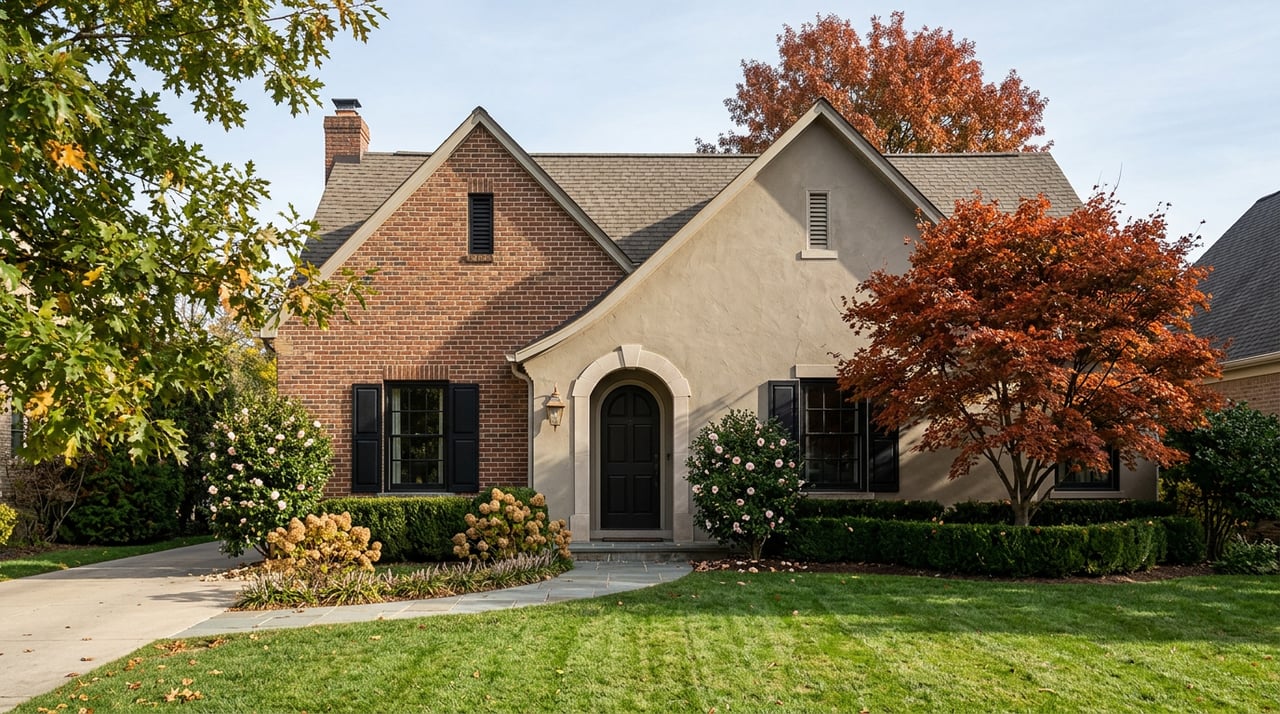
- Tudor Revival details
- Vernacular houses
The Southside Rock Hill survey also found that most residential buildings were wood-framed with brick or concrete-block foundations. That construction history can shape everything from maintenance needs to inspection findings.
What gives older homes their character
In established Rock Hill neighborhoods, character often comes from period details rather than flashy upgrades. Things like porches, roof shapes, window proportions, and original siding can tell you a lot about a home’s era and style.
At the same time, many homes have changed over the years. The Southside survey found that vinyl siding and replacement windows were the most common alterations, and roughly 84% of recorded homes had some alteration. That matters because changes can affect both appearance and maintenance planning.
When you tour a home, it helps to look closely at what feels original and what has been updated. Neither is automatically better, but the balance between preserved detail and practical improvement can affect your long-term costs and renovation options.
Why location is part of the appeal
Established neighborhoods in Rock Hill often offer more than architectural charm. They can also put you closer to everyday destinations and regional access points that matter in daily life.
Rock Hill sits about 20 miles south of Charlotte along I-77, and the city highlights direct access into the Charlotte metro region, including via I-485. The city also notes that downtown Rock Hill is accessible from Exit 79 at SC-122 and Dave Lyle Boulevard, which is useful if you want a neighborhood with easier regional connectivity.
Parks, trails, and recreation
Rock Hill says it maintains more than 30 parks and four recreation centers. The city also features an active trail and greenway network, including the 3.35-mile Catawba River Trail, which is part of the Rock Hill Trails and Greenways System and the Carolina Thread Trail.
For many buyers, that adds to the draw of older-core neighborhoods. You may find yourself closer to parks, trails, downtown destinations, and other daily amenities than you would in some newer developments.
School assignment basics
If school assignment is part of your search, it is important to verify by address. Rock Hill Schools provides a Find My School tool and school-zone maps, which means you should confirm the assigned schools for any property rather than assume based on neighborhood name alone.
That simple step can save you time and help you compare homes more accurately. It is one of the most practical parts of buying in an established area where boundaries may not be obvious.
What to watch for before you buy
Older homes can be rewarding, but they usually ask more of you as an owner. In Rock Hill, the biggest buyer considerations often involve maintenance, renovation limits, and age-related issues.
Historic overlay rules
If a home sits in a historic overlay district, exterior projects may require review and approval. Rock Hill notes that exterior changes may trigger review by staff, the Board of Historic Review, or both, and some work may require a Certificate of Appropriateness.
This is one of the most important things to check before you make an offer. If you plan to change windows, siding, roofing, additions, or other visible exterior features, confirm whether the property is subject to design rules first.
Maintenance expectations
A common buyer question is whether older homes require more maintenance. In many cases, yes. The Southside survey notes that alterations such as vinyl siding and replacement windows are common, and those changes can sometimes mask deferred maintenance rather than eliminate it.
Rock Hill’s preservation programming also highlights recurring ownership topics like cyclical home maintenance, water infiltration, weatherization, energy efficiency, storm windows, and lead paint. That is a strong signal that upkeep is part of the ownership experience in historic or older homes.
Lead and energy performance
Lead is one of the most important age-related issues to flag. Homes built before 1978 are more likely to have lead-based paint, and most pre-1978 housing is covered by lead-disclosure rules at sale or lease.
Energy performance is another common factor. Older homes often have less insulation than homes built today, which means weatherization and insulation upgrades may become part of your ownership plan.
How to compare older and newer options
When you are choosing between an established neighborhood and newer construction in Rock Hill, the decision often comes down to lifestyle fit. Newer homes may offer more predictable maintenance and simpler renovation rules. Older homes may offer more charm, a stronger sense of place, and a location closer to Rock Hill’s older core.
A helpful way to think about it is this: you are not just comparing age. You are comparing character, convenience, and maintenance tradeoffs.
Questions to ask yourself
As you narrow your search, consider these questions:
- Do you want architectural details that newer homes may not offer?
- Are you comfortable with more ongoing maintenance?
- Do you plan exterior renovations that could be limited by historic rules?
- Is being closer to downtown, parks, or trail access important to you?
- Do you prefer a home with past updates, or one where you can shape improvements over time?
Your answers can help you quickly spot which neighborhoods and homes make the most sense for your goals.
Why local guidance matters
In Rock Hill, established neighborhoods are nuanced. Street by street, you may see different home styles, renovation histories, lot layouts, and preservation considerations. What looks like a simple older-home search can quickly turn into questions about overlay districts, alterations, maintenance, and daily convenience.
That is where a local, relationship-first team can make the process feel much easier. With the right guidance, you can focus on finding a home that fits your lifestyle while avoiding surprises after closing.
If you are thinking about buying in one of Rock Hill’s established neighborhoods, Paige Boykin can help you compare options, understand the details that matter, and move with confidence. Let’s walk you home.
FAQs
What makes Rock Hill established neighborhoods different from newer subdivisions?
- Established neighborhoods in Rock Hill are often defined by older home styles, historic-district context, closer-in locations, and added maintenance or preservation considerations.
What historic districts should Rock Hill homebuyers know about?
- Buyers often look at areas such as the Marion Street Area, Old Town, Main Street, Reid Street, North Confederate Avenue, Oakland Avenue, and Arcade Mill Village and Hagins-Fewell when exploring older housing in Rock Hill.
What home styles are common in older Rock Hill neighborhoods?
- Common styles include Colonial Revival, Foursquare, Bungalow, Ranch, Split-level, Minimal Traditional, Folk Victorian, Tudor Revival, and other vernacular house forms.
What should buyers check before renovating a historic Rock Hill home?
- Buyers should confirm whether the property is in a historic overlay district, because exterior changes may require review or a Certificate of Appropriateness.
Are older homes in Rock Hill usually more maintenance-heavy?
- In many cases, yes, because older homes may have deferred maintenance, weatherization needs, water-infiltration concerns, aging materials, or past alterations that need closer review.
How should buyers verify school assignment for a Rock Hill address?
- Buyers should verify school assignment by address using Rock Hill Schools tools and maps rather than assuming assignment based on neighborhood name alone.