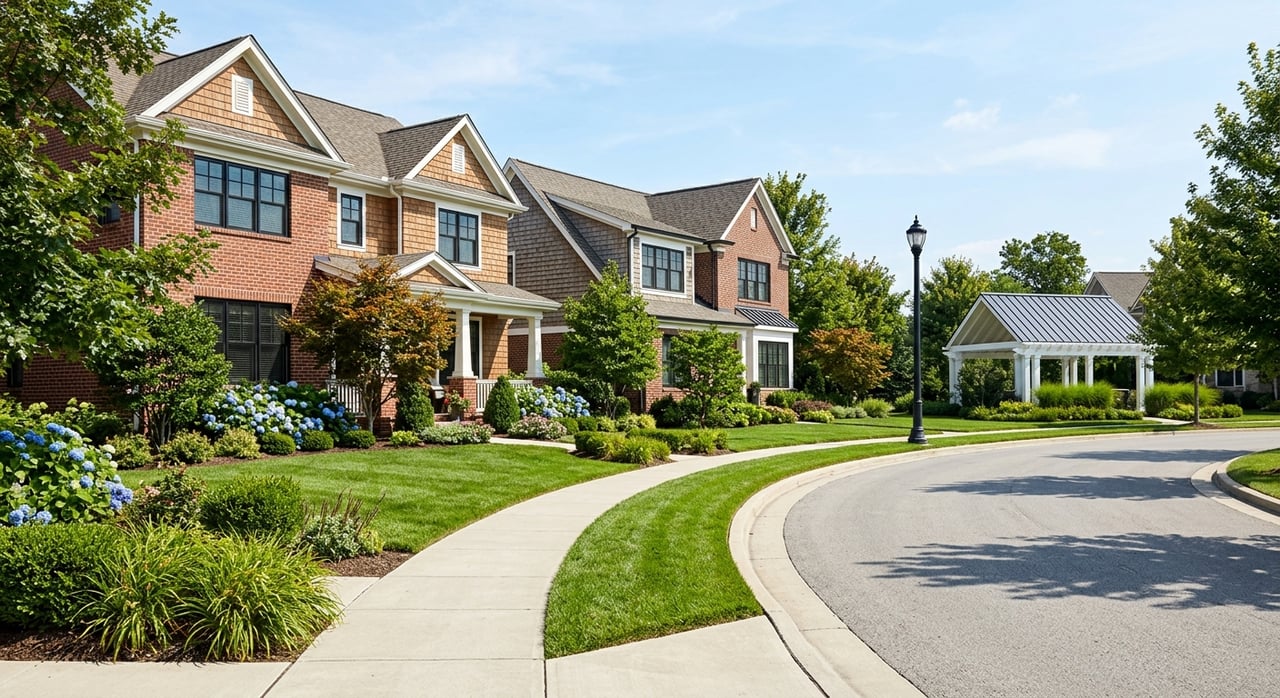
Wondering why so many buyers keep circling back to Indian Land? If you want a home near the Charlotte corridor but also like the idea of shared amenities, connected neighborhoods, and a more planned lifestyle, Indian Land stands out for a reason. This guide will help you understand how master-planned living works here, what kinds of communities and homes you’ll find, and what to review before you buy. Let’s dive in.
Why Indian Land Attracts Homebuyers
Indian Land sits in Lancaster County’s Charlotte-adjacent panhandle, and county planning has identified the US-521 corridor as a major area for growth. The county’s Southern Panhandle Small Area Plan supports master-planned commercial and residential development, along with better connectivity, trails, open space, and efficient infrastructure.
That planning direction matters if you are house hunting here. Instead of a patchwork of isolated neighborhoods, Indian Land has developed as a corridor with larger, phased communities that often tie homes to shopping, community spaces, and walking paths.
Lancaster County also notes that the Indian Land portion of the county is part of the Charlotte Urbanized Area and has seen explosive growth. On the retail side, the county reports that The Exchange at Indian Land is a 130-acre mixed-use project anchored by Costco and Lowes Foods, which adds to the area’s daily convenience.
What Master-Planned Living Means
In simple terms, a master-planned community is usually designed as a larger neighborhood with a coordinated layout, shared amenities, and rules that guide maintenance and appearance. In Indian Land, county planning specifically encourages pedestrian-friendly mixed-use development, shared driveways, public utilities, and stronger internal connectivity.
For you as a buyer, that often translates into neighborhoods where everyday life feels more connected. You may find homes near trails, pools, clubhouses, recreation areas, or nearby shopping rather than being tucked into a standalone subdivision with fewer shared features.
The tradeoff is usually structure. Many buyers like the convenience and coordinated upkeep, while others prefer fewer neighborhood rules and more lot autonomy.
Common Features In Indian Land Communities
Indian Land’s best-known planned communities tend to repeat a few key themes: shared amenities, organized programming, and a mix of home types. That combination is a big part of the area’s appeal for both local movers and relocators.
Shared Amenities
Many master-planned neighborhoods here offer spaces designed for everyday use, not just occasional extras. Depending on the community, that can include pools, clubhouses, fitness areas, playgrounds, courts, trails, lakes, or gathering spaces.
BridgeMill is one example, with more than 800 homes including single-family homes and townhomes. Its amenities include two pools, a clubhouse with fitness space, playgrounds, tennis courts, a pond trail, and community events or social gatherings.
Sun City Carolina Lakes highlights the active-adult side of the market. It includes two community centers, 11 lakes, a public 18-hole golf course, pools, pickleball, tennis, an indoor walking track, and more than 15 miles of walking trails.
Arden at Indian Land also reflects the 55-plus lifestyle segment, with more than 8,000 square feet of amenity space and programming built into the community experience.
Organized Community Programming
Amenities are only part of the story. Many buyers are also drawn to the built-in social side of planned communities, whether that means neighborhood gatherings, fitness opportunities, or interest-based activities.
That can be especially appealing if you are relocating and want a smoother way to feel connected after the move. It can also help buyers who want a more active neighborhood experience without having to plan everything on their own.
More Than One Home Type
One of the biggest advantages in Indian Land is that master-planned living is not limited to one type of buyer. County-linked documents for Walnut Creek describe it as a roughly 980-acre master-planned residential community with detached and attached residential options plus civic or community uses.
Lancaster County’s 2021 Panhandle development summary also listed apartments, assisted living, independent living, and multiple approved master-plan projects in the area. For buyers, that means Indian Land supports several housing formats within the same broader submarket.
Who Indian Land Often Fits Best
Master-planned living is not one-size-fits-all, but Indian Land tends to appeal to buyers who want Charlotte proximity with a neighborhood identity and a broader amenity package. County planning places the area close to Ballantyne, Waxhaw, and Weddington, and Sun City materials note that community sits six miles south of Charlotte’s city limits.
That location makes Indian Land a practical option if you are also comparing places like Fort Mill or South Charlotte. If you want a larger planned community rather than an older, more traditional subdivision, Indian Land often ends up on the short list.
Buyers Who Often Like This Model
Different buyers are often drawn to Indian Land for different reasons:
- First-time or early move-up buyers may like having townhomes or attached options in the same general area as larger single-family communities.
- Move-up buyers often value amenities such as pools, trails, playgrounds, and neighborhood events.
- Downsizers and age-restricted buyers may prefer maintenance-light living and built-in programming.
- Commuters and relocators often appreciate the Charlotte-area access paired with a more planned residential setting.
If you prefer maximum freedom over exterior changes or want fewer community rules, a standalone neighborhood may still be a better fit. The tradeoff is that you may give up some combination of shared amenities, walkability, and coordinated upkeep.
Public Amenities Add To The Lifestyle
Not every activity in Indian Land comes from an HOA. The area also benefits from county-run and public amenities that support an active lifestyle.
Those include senior programs at the Indian Land Recreation Center, indoor walking hours, adult athletics, the Del Webb Library branch at Indian Land, Walnut Creek Park with a 3.5-mile trail, the Carolina Thread Trail at Walnut Creek, and the Bailes Ridge Nature Trail. For buyers, that means your lifestyle options may extend beyond the gates or amenities of any single neighborhood.
What To Review Before You Buy
If you are considering a master-planned community in Indian Land, due diligence matters just as much as the home itself. South Carolina’s Department of Consumer Affairs says there is no single comprehensive state law that dictates every detail of HOA operation, but HOAs still must follow the South Carolina Homeowners Association Act and, depending on the property type, other statutes.
The state also notes that HOA governing documents commonly address landscaping, home standards, guests, pets, meetings, dues, special assessments, elections, and collections. In other words, the lifestyle you are buying into is shaped in part by the governing documents, not just the amenity photos.
South Carolina’s property disclosure form must state whether a property is subject to HOA governance. The addendum also instructs buyers to review covenants, bylaws, deeds, condominium master deeds, and similar documents before signing a contract.
Practical Questions To Ask
Before you move forward on a home in an Indian Land planned community, ask clear questions such as:
- What do the HOA dues cover?
- Are amenities complete, or are they still being phased in?
- Are there pet restrictions?
- Are there rental restrictions?
- How much control does the HOA have over exterior changes?
- Are there reserve funds?
- Have there been any special assessments?
These questions help you understand what your monthly cost actually supports. In one neighborhood, dues may fund a broad amenity package and long-term common-area maintenance. In another, they may focus more on upkeep and rule enforcement.
How To Decide If It Is Right For You
The best Indian Land community for you depends on how you want to live day to day. If you picture regular trail walks, community amenities, a more connected neighborhood layout, and access to Charlotte-area shopping and work corridors, master-planned living may be a strong match.
If your priority is fewer restrictions and more independence over your property, you may want to compare planned communities with more traditional neighborhood options. Neither approach is automatically better. The right choice comes down to your budget, preferred home type, and comfort with HOA structure.
A thoughtful home search in Indian Land should look at both the property and the community model around it. That is often where the real difference shows up after move-in.
If you want help comparing Indian Land neighborhoods, reviewing community fit, or narrowing down the right home style for your next move, Paige Boykin is here to help. Let’s walk you home.
FAQs
What is master-planned living in Indian Land?
- Master-planned living in Indian Land usually means a larger, coordinated community with shared amenities, connected streets or paths, and HOA governance that helps manage upkeep and community standards.
What types of homes are available in Indian Land master-planned communities?
- Indian Land offers a range of housing formats, including detached homes, attached homes such as townhomes, and age-restricted community options, with county documents also showing other residential formats in the broader area.
What amenities do Indian Land master-planned communities often include?
- Amenities vary by neighborhood, but common features in Indian Land include pools, clubhouses, fitness spaces, trails, courts, playgrounds, lakes, and social programming.
What should buyers review before purchasing in an Indian Land HOA community?
- Buyers should review the HOA documents, confirm what dues cover, ask about pet or rental restrictions, check whether amenities are complete or phased, and ask about reserve funds and special assessments.
How close is Indian Land to the Charlotte area?
- Indian Land is in Lancaster County’s Charlotte-adjacent panhandle, and county planning places it near Ballantyne, Waxhaw, and Weddington, making it a common option for buyers who want access to the Charlotte corridor.
Who is a good fit for Indian Land master-planned neighborhoods?
- Indian Land often fits buyers who want shared amenities, neighborhood identity, organized activities, and proximity to the Charlotte area, including move-up buyers, downsizers, age-restricted buyers, and relocators.